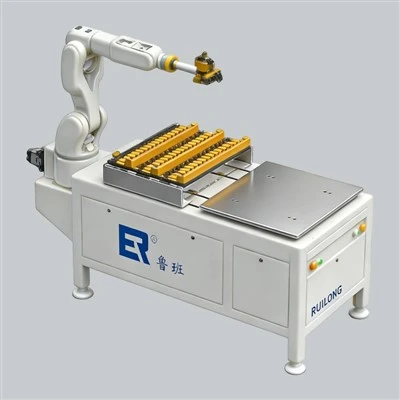


Most CNC machining workshops face a common production pain point: despite significant investment in high-precision, high-efficiency CNC equipment, the actual effective production time remains below 60%. Equipment utilization is extremely low, preventing the full realization of production capacity. The root cause is not a lack of machining capability, but rather a reliance on manual labor for material supply. Workers must constantly attend to the machines, repeatedly performing tasks such as loading raw materials, replenishing stock, retrieving parts, and sorting. This entails heavy workloads and high labor costs. Furthermore, operations are constrained by human work schedules-resulting in busy day shifts and complete shutdowns at night-leading to excessive equipment downtime that severely limits overall workshop capacity and corporate profitability.
The widespread adoption of multi-layer material storage systems has fundamentally eliminated the bottleneck where "equipment waits for materials" and production relies on manual labor. These systems utilize industrial-grade, modular, high-capacity storage structures that independently house various specifications of raw blanks, workpieces, and finished parts across distinct layers and zones, ensuring high storage capacity, organized classification, and precise retrieval. The systems integrate seamlessly with gantry loaders, six-axis robotic arms, four-axis robots, and machine tool control systems to automate the entire closed-loop workflow-including blank loading, machining, finished part unloading, and material exchange. By eliminating the need for manual intervention, they enable true 24/7 unmanned, continuous production, fundamentally resolving the core issue of capacity constraints in CNC workshops.
I. Enabling Unattended Night-Shift Production to Maximize Equipment Capacity
In traditional CNC production models, equipment uptime is strictly tied to human working hours; machines sit idle after shifts end and during holidays, resulting in a significant waste of valuable production time. Multi-layer material storage systems offer massive buffer capacity; a single full load can support continuous, uninterrupted CNC machining for hours, overnight, or even around the clock. Once workshop staff complete batch material replenishment before the end of a shift, the equipment operates autonomously and reliably without the need for overnight supervision. This fully utilizes night shifts and off-peak periods to maximize the processing capacity of high-end CNC equipment, significantly increasing effective machine uptime and overall workshop output-thereby boosting corporate profitability and enabling the rapid fulfillment of large-volume orders.
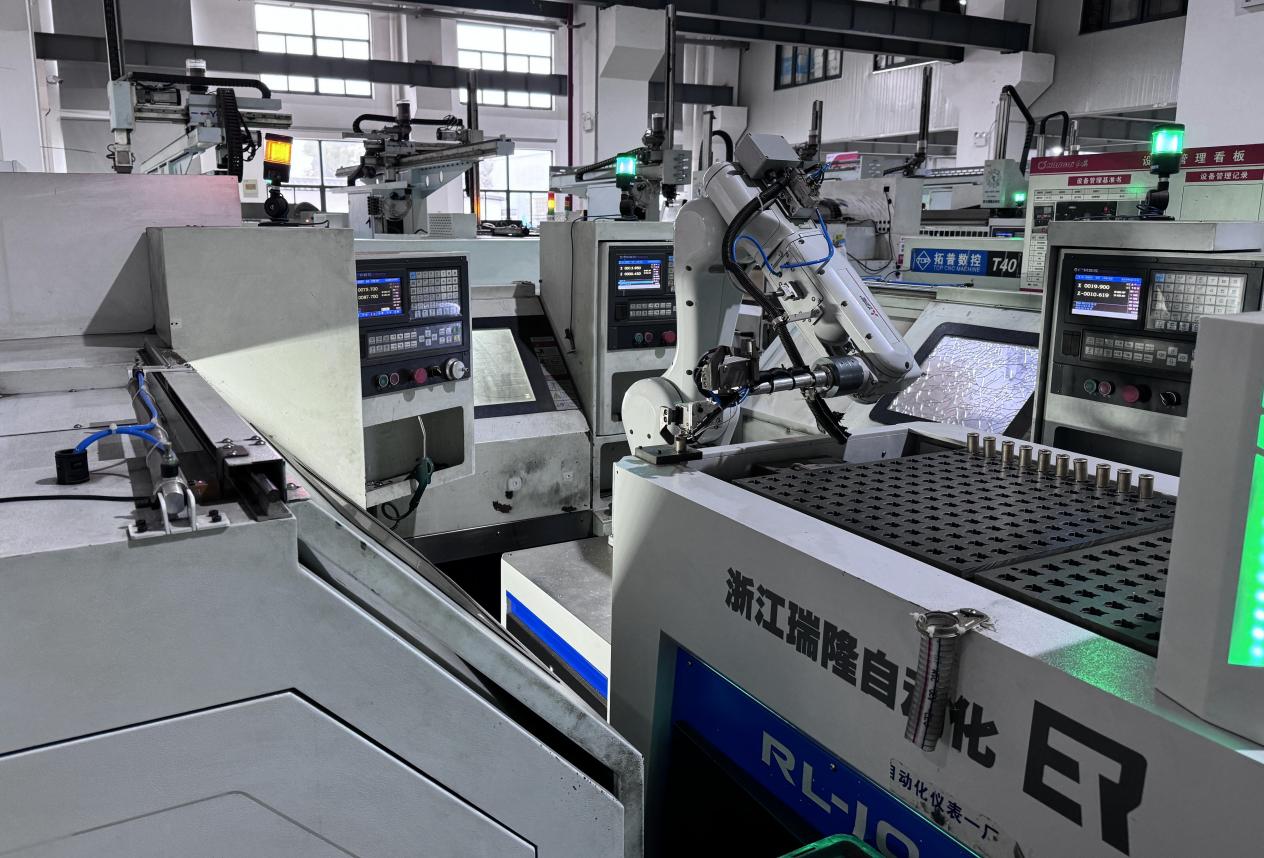

II. Drastically Reducing Labor Costs: One Operator for Multiple Machines
Traditional CNC machining models suffer from significant labor inefficiency, as a single skilled worker can typically oversee only one or two machines while constantly moving back and forth to replenish materials, swap parts, and inspect workpieces. This results in high labor intensity, low productivity, and persistently high labor costs. The introduction of automated multi-layer material storage systems revolutionizes this workflow; workers no longer need to monitor machines in real-time, requiring only periodic batch material replenishment and simple equipment inspections per shift. A single operator can easily manage 5 to 10 CNC machines, drastically reducing the required workforce and cutting comprehensive labor costs-including wages, management, and training. Furthermore, this optimizes human resource allocation, allowing workers to shift from repetitive, manual tasks to core responsibilities such as equipment maintenance and process optimization, thereby enhancing overall workshop operational efficiency.
III. Stable and Orderly Material Feeding Enhances Processing Consistency
Manual loading and unloading introduce significant uncertainty; issues such as positional errors, irregular workpiece placement, and inconsistent retrieval timing directly impact machining precision, leading to dimensional deviations and fluctuating yield rates. The multi-layer material storage system utilizes a standardized, fixed-position, and tiered storage design. All materials are arranged neatly in fixed locations and orientations, while automated robots ensure precise positioning during retrieval. This ensures consistent pickup points and stable feeding cycles throughout the process, effectively eliminating errors caused by manual operation. This standardized, automated feeding process brings greater uniformity to CNC machining operations, effectively enhancing precision, consistency, and stability while drastically reducing defect rates, material waste, and rework costs.

IV. Suitable for Various CNC Automation Retrofitting Projects
This multi-layer storage system features a universal, standardized industrial modular design, offering exceptional compatibility and adaptability. It integrates seamlessly with a full range of CNC equipment-including machining centers, CNC lathes, drilling and tapping machines, grinders, and milling machines-as well as mainstream automation peripherals such as truss manipulators, gantry robots, and six-axis articulated robots. Whether for newly constructed intelligent unmanned workshops or automation upgrades for legacy CNC facilities, the system allows for rapid integration, seamless adaptation, and quick deployment. It requires no major structural changes to existing production lines and offers simple commissioning, a short learning curve, and low implementation costs. For factories and automation system integrators specializing in CNC automation and intelligent machining upgrades, it represents a highly cost-effective and practical automation solution.
Compared to traditional manual machining workflows, the automated CNC production model utilizing this multi-layer storage system offers multiple advantages: stable production capacity, lower costs, higher precision, and reduced labor requirements. It enables enterprises to rapidly enhance workshop automation levels and market competitiveness, making it a mainstream choice for intelligent upgrades in the CNC machining industry.