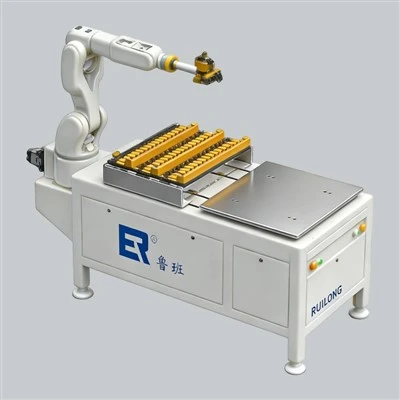

With the rapid development of smart manufacturing and automated logistics technologies, industrial intelligent AGV robots have become essential equipment for improving production efficiency and optimizing internal material transportation. Selecting the right AGV based on actual operational requirements is a critical step in smart factory development. Proper selection improves equipment utilization, reduces operating costs, and ensures reliable logistics performance.
The first step in selecting an industrial intelligent AGV robot is identifying specific application requirements. Companies should consider material type, weight, dimensions, and working environment before choosing a suitable system. For production line delivery, factors such as speed and positioning accuracy are important, while warehouse transportation often requires higher load capacity and continuous operating capability.
Payload capacity is one of the most important selection criteria. Companies should calculate the total transportation weight, including products, pallets, racks, and additional equipment, to choose an appropriate AGV model. Continuous operation beyond rated capacity may affect stability and service life, while excessive capacity may increase unnecessary investment costs.

Navigation technology is another key consideration. Common AGV navigation methods include laser navigation, magnetic guidance, QR code positioning, and vision-based navigation. Laser navigation provides strong flexibility and adaptability for complex environments, while magnetic navigation offers simple structure and stable operation for fixed routes. The appropriate solution should be selected based on factory layout, accuracy requirements, and implementation conditions.
Operating environment and safety performance should also be carefully evaluated. Companies need to consider factors such as available workspace, floor conditions, passage width, and environmental requirements. Safety functions including obstacle detection, warning systems, and emergency stop mechanisms are essential for reliable industrial operation.
System compatibility and scalability are also important during AGV selection. A high-quality AGV system should support integration with MES platforms, warehouse management systems, and automated production equipment. It should also allow future upgrades to meet evolving smart manufacturing requirements.
In the future, with continuous advances in artificial intelligence, Industrial Internet technologies, and intelligent logistics, industrial intelligent AGV robots will become more flexible and intelligent. Through proper selection and configuration, companies can maximize AGV capabilities and build efficient, stable, and smart automated logistics systems.