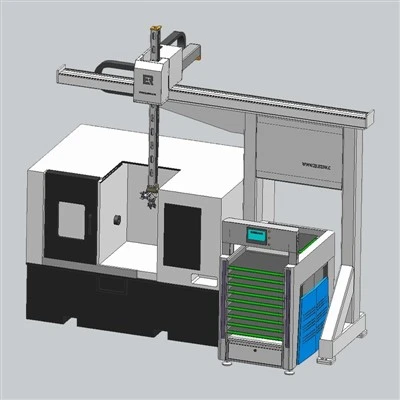


Hey there! As a supplier of robotic systems, I've seen firsthand the growing interest in using these high - tech tools in the oil and gas industries. Robots offer all sorts of amazing benefits, like increased safety, better efficiency, and more accurate data collection. But let me tell ya, it's not all smooth sailing. There are plenty of challenges that come with integrating robotic systems into this complex and demanding sector.
Harsh Environments
One of the biggest headaches is the harsh environments in oil and gas operations. These places are no joke! You've got extreme temperatures, whether it's super hot deserts or freezing cold offshore platforms. Robots need to be able to withstand these conditions without breaking down.
For example, in a desert oil field, the scorching heat can cause electronic components in the robots to overheat. This can lead to malfunctions and costly downtime. On the other hand, in Arctic regions, the cold can make lubricants in the Precision Gantry Manipulator thicken, reducing its mobility and performance.
The presence of corrosive substances is another major issue. Oil and gas operations often involve exposure to chemicals like hydrogen sulfide and saltwater. These can eat away at the robot's metal parts, causing rust and structural damage. Even the most robust coatings and materials might not be enough to stop the corrosion over time.
High - Risk Operations
The oil and gas industry is full of high - risk operations, and robots need to be up to the task. Take well intervention, for instance. This involves working in high - pressure and high - temperature wells. A tiny mistake by a robot could lead to a blowout or a serious environmental disaster.
Robots also have to deal with the risk of explosions. In areas where there are flammable gases, any electrical spark or malfunction in the robot could trigger a violent blast. This means that all the robotic systems, like the 6 - Axis Collaborative Robot, need to be built with strict explosion - proof standards.
Complex Workflows
The workflows in oil and gas are incredibly complex. There are multiple steps involved in everything from exploration to production. Robots need to be programmed to handle these complex sequences of tasks.
For example, during the drilling process, a robot might need to perform a series of actions like adjusting the drill speed, monitoring the pressure, and collecting rock samples. If the programming is off even a little bit, the whole operation could be affected. And let's not forget about the need for robots to work in coordination with human workers. There has to be seamless communication and cooperation between the two, which can be a real challenge.
Data Management
Robots in the oil and gas industry generate a huge amount of data. This data can be used to optimize operations, predict equipment failures, and improve safety. But managing all this data is no easy feat.
First of all, there's the issue of data collection. The robots need to be equipped with high - quality sensors to gather accurate data. Then, this data has to be transmitted back to a central location. In some remote oil and gas sites, there might be limited or no network coverage, which makes data transmission difficult.
Once the data is collected and transmitted, it needs to be analyzed. This requires powerful data analytics tools and skilled personnel. Interpreting the data correctly is crucial for making informed decisions, but it's a complex process that many companies struggle with.
Cost Considerations
Implementing robotic systems in the oil and gas industry is expensive. There's the initial cost of purchasing the robots, like the Gantry Robotic Arm. These high - tech machines don't come cheap. And then there are the costs of installation, programming, and maintenance.
Maintenance is a biggie. Robots need regular servicing to keep them in good working condition. This includes replacing worn - out parts, updating software, and conducting performance checks. All these maintenance activities add up over time and can put a strain on a company's budget.
Regulatory and Compliance Issues
The oil and gas industry is heavily regulated, and using robotic systems adds another layer of complexity. There are safety regulations, environmental regulations, and industry - specific standards that robots need to comply with.
For example, in some regions, there are strict rules about the use of robots in offshore operations. These rules are in place to protect the environment and ensure the safety of workers. Meeting these regulatory requirements can be a long and costly process. It might involve getting special permits, conducting safety audits, and making sure the robots are designed and built to meet specific standards.
Skill Gap
There's also a significant skill gap when it comes to operating and maintaining robotic systems in the oil and gas industry. Many workers in the industry are used to traditional methods and might not have the necessary skills to work with robots.
Companies need to invest in training programs to upskill their employees. But finding the right trainers and developing effective training courses can be a challenge. And even after the training, there's no guarantee that the employees will be able to fully utilize the capabilities of the robots.
Integration with Existing Systems
Most oil and gas companies already have existing systems in place. Integrating new robotic systems with these old systems can be a real pain. There might be compatibility issues between the software and hardware of the robots and the existing infrastructure.
For example, if a company has an old - fashioned control system, it might not be able to communicate effectively with a new 2 - axis Gantry Robot. This can lead to inefficiencies and even system failures.
Limited Adaptability
The oil and gas industry is constantly evolving. New technologies are emerging, and operational requirements are changing. Robots need to be adaptable to these changes, but many of them are designed for specific tasks and might not be easily modified.
For example, if a new drilling technique is developed, the existing robots might not be able to perform the tasks required. This means that companies either have to invest in new robots or try to retrofit the old ones, which can be both time - consuming and expensive.


Despite all these challenges, the potential benefits of using robotic systems in the oil and gas industry are huge. If you're in the oil and gas business and are considering implementing robotic solutions, it's important to understand these challenges and work with a reliable supplier. As a robotic systems supplier, I'm here to help you navigate through these issues and find the best solutions for your operations. Whether you're interested in the Collaborative Welding Robot or any other type of robotic system, don't hesitate to reach out for a chat about your needs and how we can work together to overcome these challenges.
References
- "Robotics in the Oil and Gas Industry: Current Applications and Future Trends"
- "Challenges and Opportunities of Implementing Robotic Systems in Harsh Industrial Environments"
- "Data Management Strategies for Robotic Operations in Oil and Gas"