

Hey there! As a supplier of Multi - layer Frame Handling Robots, I often get asked about the stacking height capacity of these nifty machines. So, I thought I'd take a deep dive into this topic and share some insights with you all.
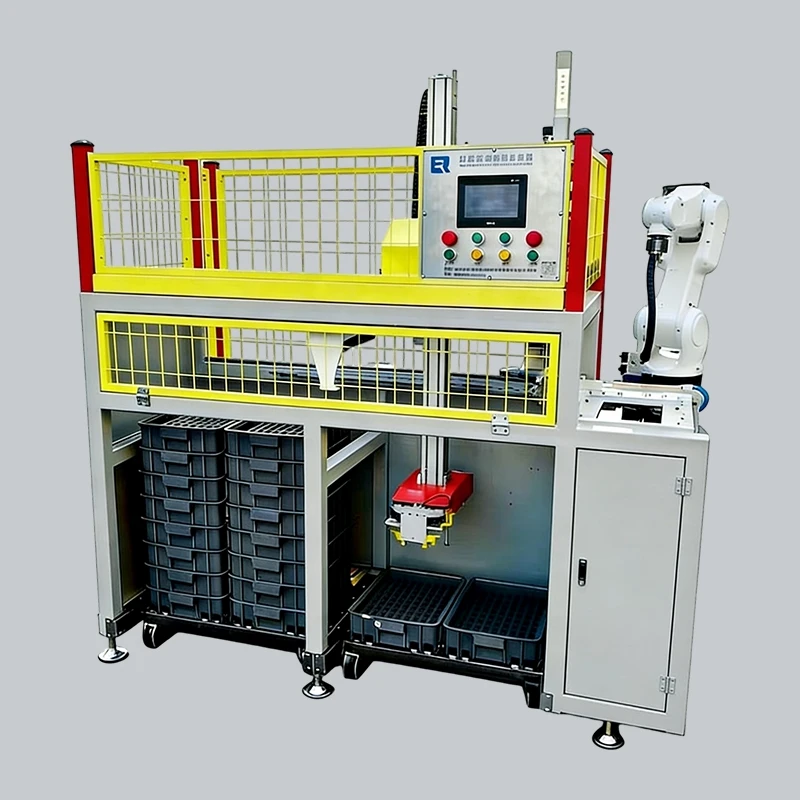
First off, let's understand what a Multi - layer Frame Handling Robot is. It's a specialized piece of equipment designed to handle frames in a multi - layer setup. These robots are super useful in industries where stacking frames efficiently is crucial, such as manufacturing, warehousing, and logistics. You can learn more about it here: Multi-layer Frame Handling Robot.
Factors Affecting Stacking Height Capacity
The stacking height capacity of a Multi - layer Frame Handling Robot isn't a one - size - fits - all number. It depends on several factors.
1. Robot Design and Structure
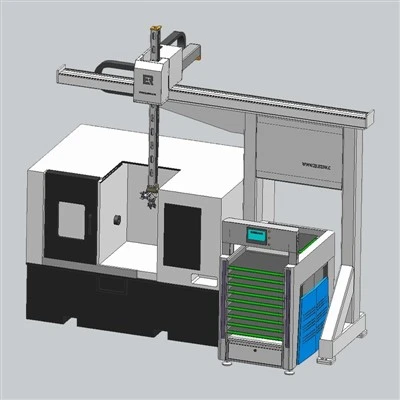
The design of the robot plays a huge role. Robots with a more robust and stable structure can generally handle greater stacking heights. For example, a Gantry Robotic Arm is built on a gantry system, which provides excellent stability. This stability allows it to lift and stack frames at relatively high heights without toppling over. The materials used in the construction of the robot also matter. High - strength alloys and advanced composites can enhance the robot's ability to support heavier loads at greater heights.
2. Load Capacity
The load capacity of the robot is directly related to its stacking height capacity. If a robot can only handle a small amount of weight, it won't be able to stack frames very high. The weight of the frames themselves, along with any additional fixtures or attachments, needs to be within the robot's load - bearing limits. For instance, if you're dealing with heavy - duty steel frames, the robot will need to have a high load capacity to stack them to a decent height. A Precision Gantry Manipulator is known for its high - precision handling and can handle different load capacities depending on its model.
3. Environmental Conditions
The environment in which the robot operates can impact its stacking height capacity. In a factory with a lot of vibrations or uneven floors, the robot may not be able to stack frames as high as it would in a stable, vibration - free environment. Temperature and humidity can also play a role. Extreme temperatures can affect the mechanical properties of the robot's components, potentially reducing its performance and stacking height capacity.
4. Control System
A sophisticated control system is essential for achieving maximum stacking height. The control system needs to accurately position the robot and the frames during the stacking process. It should be able to adjust for any minor variations in the frame dimensions and the stacking surface. A well - calibrated control system can help the robot stack frames more precisely and safely, allowing for greater stacking heights. Some advanced control systems can even predict and compensate for potential instability during the stacking process.
Typical Stacking Height Ranges
In general, the stacking height capacity of a Multi - layer Frame Handling Robot can vary widely. For smaller, less - powerful robots, the stacking height might be limited to just a few meters. These robots are often used in applications where space is limited or where the frames are relatively light.
On the other hand, larger and more advanced robots can stack frames up to 10 meters or more. These high - capacity robots are commonly used in large - scale manufacturing plants and warehouses where efficient use of vertical space is a top priority.
Comparing with Other Types of Robots
Let's take a quick look at how the Multi - layer Frame Handling Robot stacks up (pun intended!) against other types of robots in terms of stacking height capacity.
Single Axis Gantry Robot
A Single Axis Gantry Robot is designed to move along a single axis. While it can be very precise in its movement, its stacking height capacity is usually more limited compared to a Multi - layer Frame Handling Robot. Single - axis gantry robots are often used for simpler tasks like picking and placing objects at a relatively low height.
2 - axis Gantry Robot
A 2 - axis Gantry Robot has more flexibility as it can move along two axes. This gives it a bit more range in terms of where it can stack frames. However, when it comes to stacking height, a well - designed Multi - layer Frame Handling Robot can still outperform it, especially when dealing with multi - layer stacking requirements.
Maximizing the Stacking Height Capacity
If you want to get the most out of your Multi - layer Frame Handling Robot's stacking height capacity, here are some tips:
1. Regular Maintenance
Keep the robot well - maintained. This includes lubricating moving parts, checking for any signs of wear and tear, and calibrating the control system regularly. A well - maintained robot will perform better and be able to stack frames at greater heights safely.
2. Optimize Frame Design
Work on optimizing the design of the frames themselves. Frames with a more stable base and a uniform shape are easier to stack and can allow for greater stacking heights. You can also consider adding features to the frames that make them more compatible with the robot's handling mechanism.
3. Train Operators
Make sure your operators are well - trained. They should understand how to operate the robot safely and efficiently, especially when it comes to stacking frames at high heights. Proper training can help prevent accidents and ensure that the robot is used to its full potential.
Conclusion
So, there you have it! The stacking height capacity of a Multi - layer Frame Handling Robot is influenced by a variety of factors, including its design, load capacity, environmental conditions, and control system. By understanding these factors and taking steps to optimize them, you can make the most of your robot's capabilities.

If you're in the market for a Multi - layer Frame Handling Robot or want to learn more about how to maximize its stacking height capacity, don't hesitate to reach out. We're here to help you find the perfect solution for your needs. Let's start a conversation about how our robots can revolutionize your operations.
References
- General knowledge about industrial robots and their applications
- Technical specifications of the robots mentioned in the article